
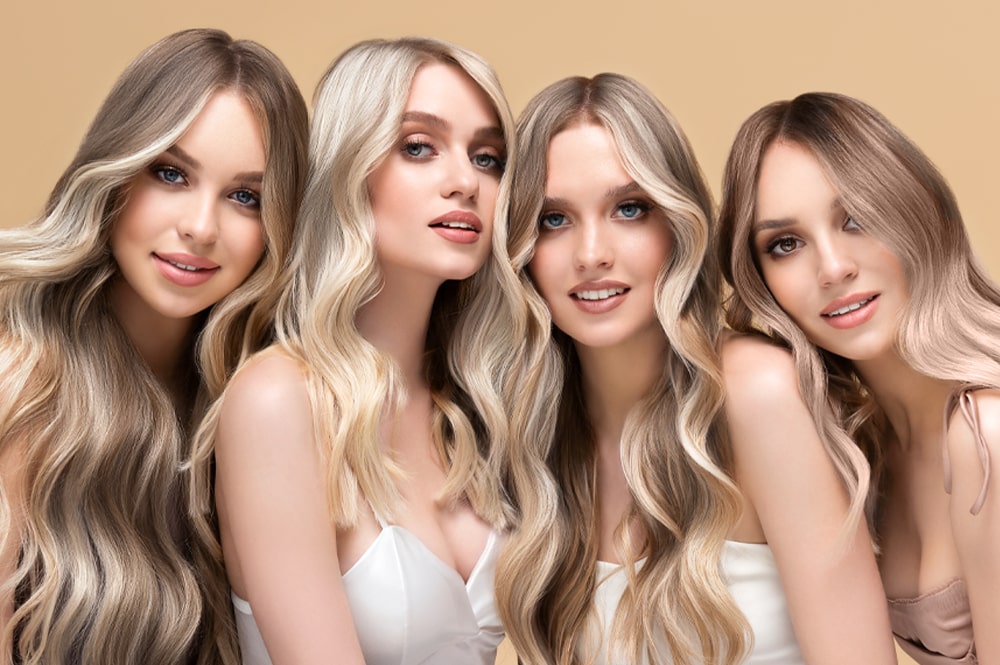
The word "balayage" comes from French and means "sweeping" or "scanning." In the hairdressing field, the term appeared in the 1970s to describe an innovative way of applying dye: the color was no longer applied with a hood or cotton but spread by hand, using a brush or spatula. Essentially, balayage is not a specific type of dye but an application method—a "painting" or "freehand" technique that offers naturalness and creative freedom.
This technique requires the use of specialized products designed to be worked freely in the air without the risk of the strands "staining" each other. Depending on the desired technique, we can isolate the strands with film or foil for greater precision and control of the result.
Today, balayage is considered one of the most popular techniques worldwide. Although it started as an application method, it has evolved into an entire coloring philosophy. If we asked thirty hairdressers how they create a balayage, we would get thirty different answers—and all could be correct. There is no single way, only a beautiful result and a satisfied client.
Balayage is a versatile technique that adapts individually to each woman, depending on her natural color, hair length, and texture. The result offers soft transitions, sun-kissed shades, and natural shine, with the ends usually lighter than the roots, without the strong contrast of ombre. Some strands keep their base, while others are subtly lightened, creating the impression that the light "rises" from the ends toward the roots.
Many clients request balayage by showing photos from social media without knowing that each result is different and comes from a different technique. This is where the professional hairdresser's role comes in: to correctly interpret the desire, choose the appropriate method, and create a tailor-made result, specially designed for each client.
For this reason, specialized training programs have been created, such as the Balayage Seminar, the AirTouch Seminar, the Blonde Expert and Master Color seminar. In these seminars, professional hairdressers learn brightness techniques, blending, and natural transitions, understand hair behavior at different lightening levels, and are trained in the correct product selection for each hair type. Particularly, AirTouch focuses on the perfected air separation technique, while Blonde Expert emphasizes cool tones, iridescent shines, and undertone control—essential elements for a modern, refined result.
Therefore, balayage is not just a coloring method. It is a form of art that requires knowledge, technique, imagination, and a sense of light. It is the ultimate expression of personalized color that highlights the natural beauty and uniqueness of every woman.
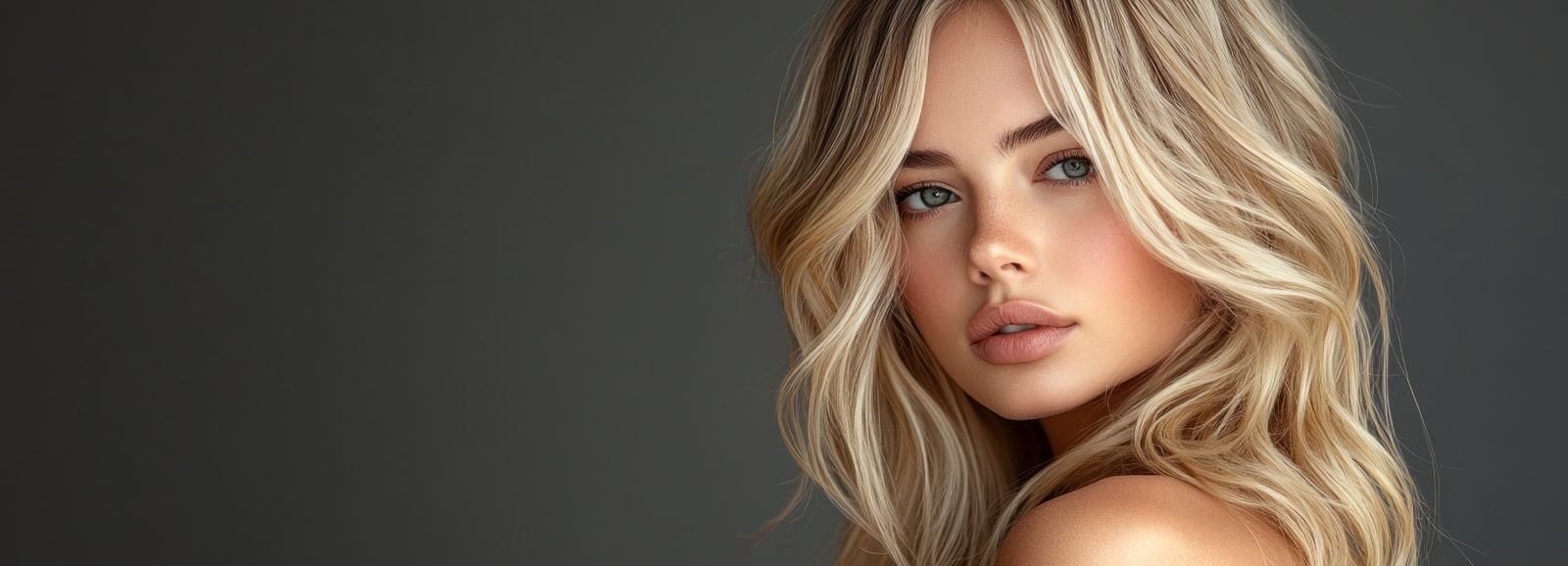
Foilayage is a modern coloring technique based on the principles of balayage, with two main differences that make the result brighter and more impressive. Initially, the product is applied using the freehand technique—that is, by hand, as in balayage. However, the strands are then isolated inside aluminum foils. This method raises the temperature, which is especially helpful when working on a dark natural or artificial base. This process allows for more lightening and better control of color intensity.
The second difference is that in foilayage, we can create sections with a more intense effect by adding techniques such as waving, teasing, transparencies, or baby lights. These elements add dimension, brightness, and a multi-layered color texture, making the result look natural but at the same time dynamic and full of shine.
Foilayage requires more application time and a larger amount of product, making it a more demanding and expensive service. Nevertheless, it is the ideal choice for hair that has already undergone technical processing or for clients who want intense lightening without losing the naturalness of balayage.
In practice, the choice between the two techniques depends on the desired result: If we want a mild, natural outcome with soft transitions and sun-kissed shades, we choose classic Balayage (painting or freehand). On the other hand, if we want more brightness, clear isolation of sections, and the ability to highlight specific points, then Foilayage is the most suitable choice.
This technique is often included in specialized color and lightening seminars, such as Balayage & Foilayage Seminars, AirTouch Workshops, and Blonde Expert Trainings, where professionals learn how to combine expertise, creativity, and scientific knowledge to achieve personalized results of high aesthetic quality.
In summary, Foilayage is the perfect balance between the artistic freedom of Balayage and the technical precision of foil—a modern, multidimensional technique that highlights light, structure, and the natural movement of hair.
During the consulting process, the role of the hairdresser is to comprehensively assess the image, needs, and desires of the client, in order to determine the appropriate technique and the desired result. Initially, we examine the client's haircut, unless there is already specific guidance from the responsible cutter. The shape and lines of the haircut directly affect how the color will be applied and how the movement of the hair will be highlighted.
Next, we observe the client's usual styling, that is, the way she styles and shapes her hair daily. This information helps us understand how the strands fall and where emphasis should be placed on light or shadow. The position of the parting is also particularly important—whether it is fixed or changes sides—as this affects the symmetry and balance of the final result.
Another critical element is the level of lightening the client desires. The professional must understand the desired outcome and assess whether the goal is achievable, taking into account the natural base, hair history, and hair condition. Equally important is determining how often the client wants to refresh the technique, so that a solution can be chosen that fits her daily routine and maintains beauty over time.
During the analysis, we also examine whether the roots need refreshing, as well as the shade of the base, especially when dealing with already dyed hair. Understanding these parameters helps in the correct selection of products, developer strength, and processing time, in order to maintain hair health and achieve a uniform, shiny result.
Finally, it is essential to calculate the hours needed to complete the technique. Proper scheduling ensures comfort for both the professional and the client, avoiding delays and surprises. Therefore, consulting is not just a preliminary discussion; it forms the foundation of a successful technical service, as it sets expectations, the application plan, and the final result, ensuring a complete, professional experience.
A client visiting our salon to perform a technical service rarely has her hair in its natural color. Usually, the base is dyed, faded, or shows natural roots of a few days or even months. In these cases, the hairdresser must follow specific steps to ensure a uniform, balanced, and professional result.
If our goal is a flawless color result, we start by refreshing the roots with the desired color. We complete the coloring process, dry the hair, and then proceed with the application of the technique. It is important that the dye is applied slightly below the point where the natural root ends, using the blending technique, with the same formula and 10V developer, to achieve a smooth fade and natural color transition.
In many cases, after the natural root, we detect unwanted shades, often orange or copper-red, which must be neutralized before proceeding with the technical work. Only when this stage is properly completed can we dry and safely start applying the technique—whether it is balayage, ombre, or more advanced lightening techniques.
There are, of course, cases where we can perform root refresh and balayage or ombre simultaneously, under conditions. This can only be done when the roots are about 30 days old, the lengths and ends do not need balancing, and we do not want the lightening to come too close to the roots. Although this process is faster and more practical, it does not always guarantee a perfect result, as we cannot control with absolute precision the processing time of all products. For example, we might have to rinse the roots before the lightened areas are ready, or conversely, the lightened areas might be done while the coverage of gray hair has not reached the desired level.
In these cases, communication with the client is critical. Although the client is often in a hurry, you are the expert. It is important to clearly explain what is required for a perfect result, what the stages of the process are, and why each step is necessary. She must understand that this is a specialized technique requiring knowledge, experience, and skill.
Through the Balayage Seminar and Blonde Expert Seminar, professionals are trained precisely in these areas: how to properly assess the base, handle unwanted shades, select the appropriate products, and design personalized technical applications with accuracy and creativity. This knowledge allows the hairdresser to explain, guide, and protect both the client and themselves, ensuring the best possible professional result.
The client must understand that such techniques have value and that the result she will enjoy is the product of expertise and professional investment. The hairdresser, on the other hand, must not be swayed by time pressure or the client's expectations but work confidently, knowledgeably, and consistently according to the principles of the profession.
We present and propose two complete techniques that can be applied either to quickly and effectively refresh an existing balayage or to transform an ombre into balayage – and vice versa. These techniques offer the possibility of refreshing the color without fully repeating the process, maintaining the naturalness and shine of the hair.
The two approaches mainly differ in how light or dark we want the result to be on the top of the head. At the same time, the choice of face framing determines the brightness given near the face, allowing the hairstylist to control whether the result will be softer and more natural or more intense and bright.
During the analysis and consultation, it is important to make certain key decisions that will determine the overall color image:
Which technique will be chosen? How will the outline be shaped? And finally, do we want ombre or balayage at the ends?
The right choice depends on the desired outcome, the natural base, and the client’s preference for maintenance and renewal. Through proper guidance, we can achieve personalized results tailored to every hair type and style, highlighting the uniqueness of each woman.
Various combinations
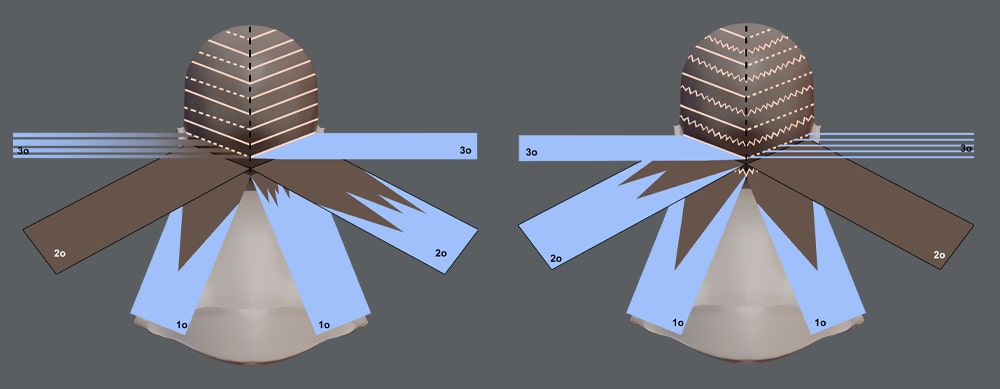
SIDE VIEW

By folding the aluminum foil diagonally, we facilitate its perfect placement
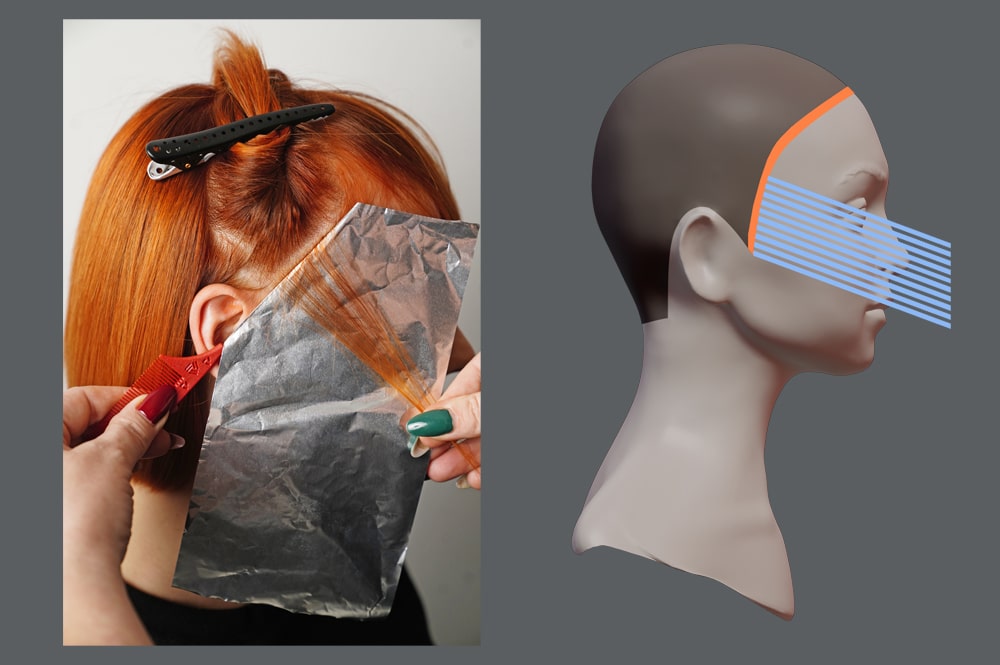
The Money Piece has now become an integral part of modern balayage and highlighting techniques, as it adds intensity, freshness, and brightness around the face, highlighting features and offering a sense of luxury and glow.
The shape and size of this specific section are carefully chosen depending on the parting position, hair growth, density, and hair structure. The strands framing the face should harmoniously connect with the rest of the color, creating a balanced result without “breaks” or abrupt contrasts.
The choice of separation shape plays a decisive role: semicircles offer a smoother color transition, ideal for a natural look, while the triangular section creates a stronger contrast, resulting in an immediately eye-catching effect but which may appear less integrated with the whole. The intensity of lightening and the degree of contrast are determined through the choice of technique — waving, slicing, or a combination of both — always in relation to the client’s style and personality.
Equally important is the decision whether the lightening will start directly from the root or if a distinction will be made with slight backcombing before applying the product. This technique helps achieve softer blending and a more transparent result, especially in cases where we want the light to “flow” naturally through the lengths.
After lightening, proper application of toning is crucial. Toning balances unwanted shades, “locks in” the shine, and enhances the brightness of the Money Piece, adding depth and clarity to the color. Depending on the desired result — cool, neutral, or iridescent — the appropriate combination of products and processing time is chosen, always aiming for maximum shine and longevity.
In training programs such as master color seminar the Balayage Seminar, Blonde Expert Training, and Airtouch seminar, professional hairstylists learn to handle the Money Piece technique with absolute precision. They are trained in the correct placement of sections, choosing the ideal base and shade, as well as perfecting blending through toning.
When applied correctly, the Money Piece becomes the key point of the look, as it naturally illuminates the face, adds dimension and depth to the balayage, and offers a signature of luxury to the final result. It is a detail of high technique that requires knowledge, experience, and proper planning — which is why it is a fundamental chapter in every professional color and balayage seminar.
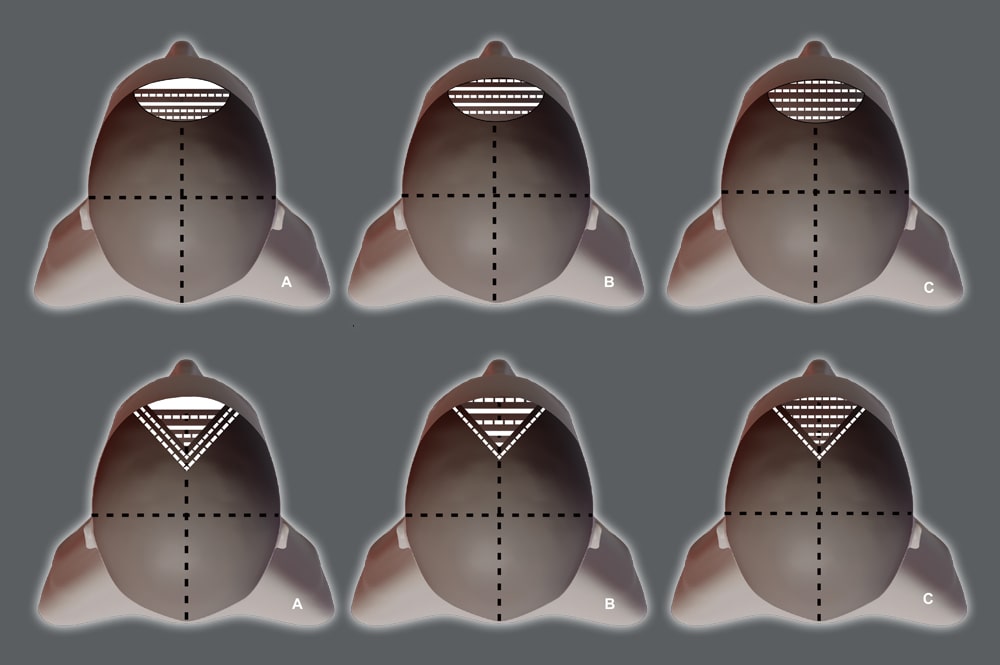
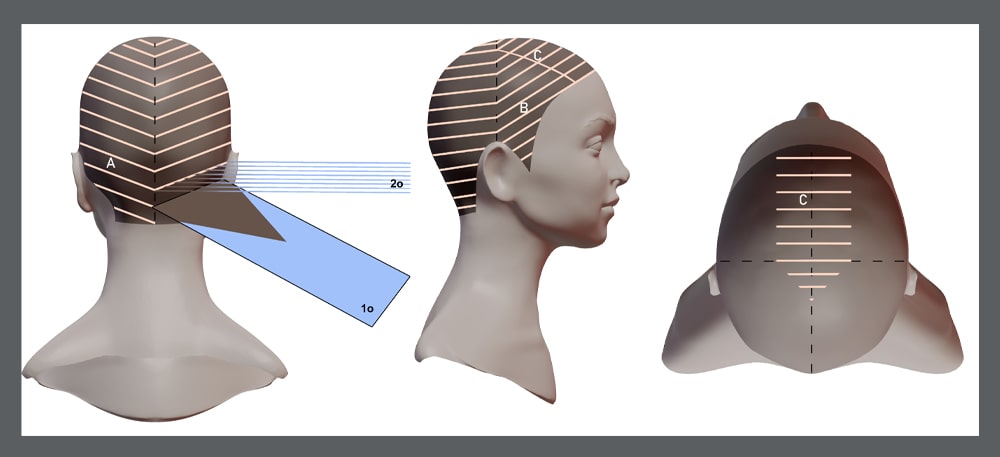
The most classic, quick, and commercially efficient balayage technique is based on the combined application of freehand and foilayage, alternating two types of sections according to the pattern partings. This method ensures uniform lighting, natural blending, and a fast application time without sacrificing the quality of the result. The process begins with the selection of two different types of sections, which are applied alternately over the entire surface of the head.
In the first section, we perform backcombing and apply the product freehand, forming a V shape. This technique allows a smooth transition from the root to the ends and creates a transparent effect, ideal for natural balayage with soft brightness.
In the second section, we repeat the backcombing, but this time we apply the waving technique, using aluminum foil (foilayage) to achieve greater heat and thus a more intense lightening. The combination of the two techniques creates a multidimensional result with harmonious alternations of light and shadow, giving hair vitality and movement.
The intensity of the result depends on the thickness of the sections: the thinner the partings, the brighter and more uniform the result becomes. Conversely, if a more intense lightening at the ends is desired, we can apply slices in the second section, increasing the brightness at the tips and giving a more blonde effect feeling.
By the same logic, this technique can also be used for refreshing balayage by applying the work only on half the head — specifically on sections B and C. This way, color refreshment and shine rejuvenation are achieved without fully repeating the process, making it an ideal choice for clients seeking quick maintenance of their balayage.
The quick commercial balayage technique is taught in specialized training programs such as the Balayage Seminar, Blonde Expert Workshop, and Airtouch Seminar, where professionals learn to combine freehand and foil techniques, control blending, and create personalized results in limited time. Through these seminars, the hairstylist gains the ability to provide speed, perfection, and commercial efficiency — three factors that define modern success in color and the philosophy of modern balayage.
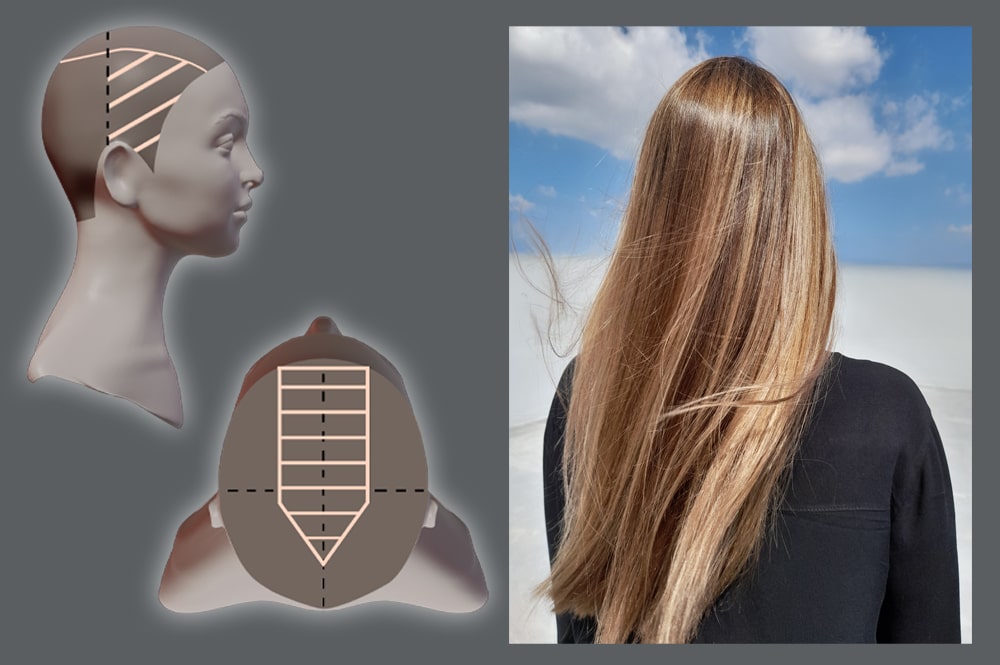
The half-head balayage technique is a smart, flexible, and particularly popular choice for both young clients and those with very long or thick, curly hair. It is a method that offers the impressive balayage result but with less processing, shorter application time, and easier maintenance.
In practice, this technique focuses on the middle and front sections of the head, leaving a large percentage of the hair without lightening. This way, the natural texture and health of the hair are preserved, while the light is distributed in a way that provides a natural result and harmonious movement in the lengths. The result is fresh, bright, and elegant, without requiring full coverage or renewal of the entire head.
This technique is ideal for clients who want a subtle change, color refreshment, or maintenance of previous balayage. Additionally, it offers greater ease in managing hair, especially when it is very long or intensely curly, as their natural movement is not restricted by the coloring.
The half-head balayage technique is extensively taught in Balayage Seminars, Blonde Expert Seminars, and Airtouch Seminars, where professional hairstylists learn how to select the appropriate sections, apply proper lightening, and achieve uniform blending, even in cases of hair with intense texture or high density. With this knowledge, they can offer the client a natural, bright result with less processing, shorter application time, and excellent commercial performance.
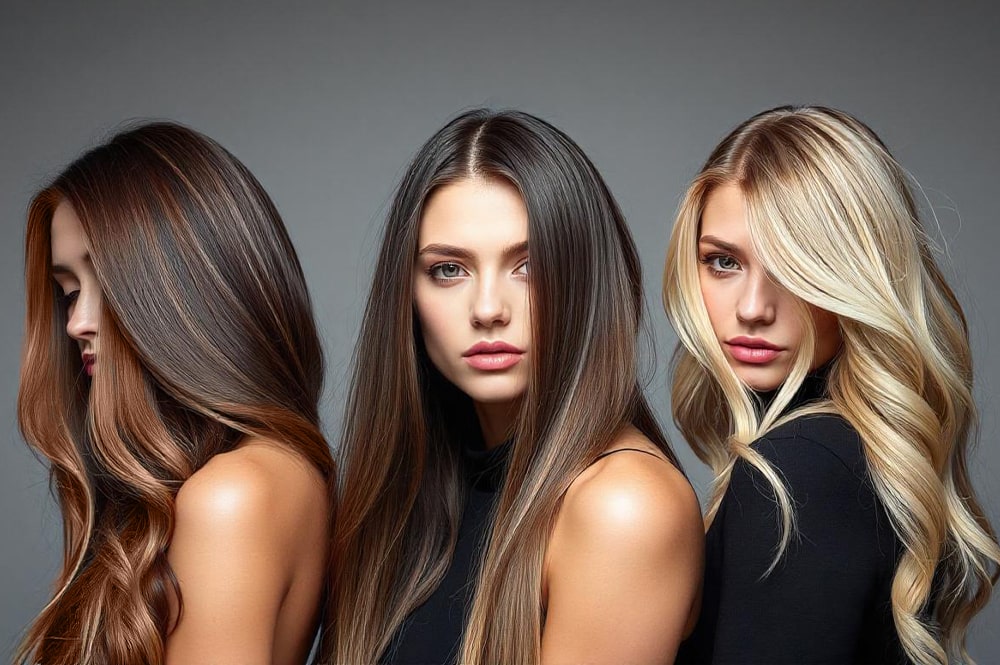
After completing the balayage, with whichever options or techniques we have applied — whether it is freehand, foilayage, money piece, or balayage on half the head — our work is not considered complete unless we proceed to the most critical stage: toning. This is the phase that “seals” the result, corrects, balances, and highlights our work, giving the hair a perfect shade, shine, and silky texture.
Toning is not just about color; it is the bridge between lightening and perfection. Through the proper choice of product and processing time, we can control the tone, neutralize unwanted shades (such as orange or yellow), and tailor the result to the needs and style of each client.
Moreover, toning acts as a therapeutic process for the hair, as it seals the cuticles, restores elasticity and shine, and ensures uniformity and stability in the color. A proper and successful toning is not simply the last step; it is what completes and enhances our technique, turning a good result into a flawless professional outcome.
That is why in the Balayage Seminar, Blonde Expert Seminar, and Airtouch Seminar programs, special emphasis is placed on Toning — the art of choosing the right tone. Professionals learn to read the base, predict the hair’s response, calculate the processing time, and create personalized shades according to the desire, style, and personality of each client.
Therefore, toning is not merely a technical stage — it is the final signature of the hairstylist, where knowledge, experience, and aesthetics meet to give the hair perfection in color and wonderful quality.
Every technique, from Balayage and Foilayage to Money Piece and Toning, constitutes a distinct chapter in creating light and movement within the hair. When combined with knowledge, study, and proper analysis, they transform from simple techniques into forms of art, where color is not just a shade but an expression of personality.
The success of every result depends not only on the products or tools but on the professional’s perception — their ability to read the base, adapt the method, interpret the client’s desire, and deliver a unique, natural, and elegant result.
Through continuous education in the Balayage Seminar, Blonde Expert Seminar, and Airtouch Seminar, the hairstylist evolves, learning not only “how” to apply a technique but mainly “why.” They understand the logic behind each stage — from preparation and consultation to toning and finishing — and gain the confidence to create colors with durability, harmony, and character.
Because ultimately, Balayage is not just a technique: it is the signature of every professional who loves detail, balance, and light.